Aynor, SC 29511
Customer Support
Sat: 9:00AM – 2:00PM
Sun: Closed
A successful mobile home setup requires careful planning and preparation. Choosing the soil type and its proper grade impacts the safety, structural integrity, and longevity of your investment. Improper pad preparation can lead to serious foundation repairs or replacements. Get it right now, and you’ll save thousands later – along with heartache.
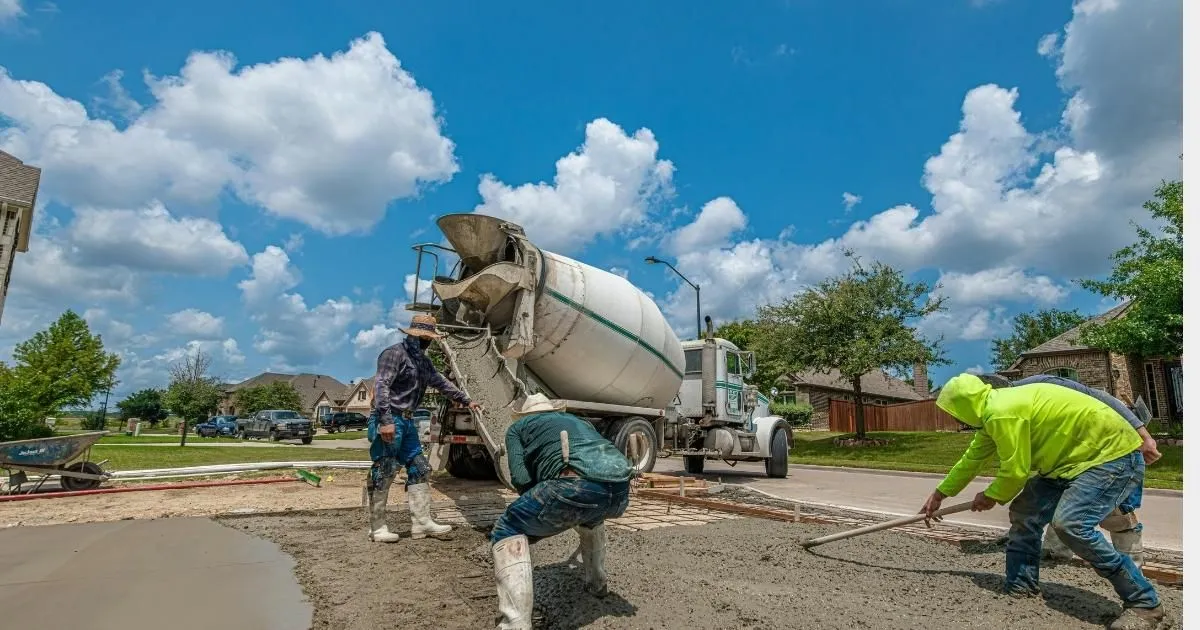
A well-built mobile home pad supports a solid foundation that keeps your home strong for years. Soil type and grading play a crucial role in preventing costly problems such as foundation shifting, water pooling, or long-term structural damage. Meeting or exceeding the mobile home pad requirements results in a home that’s safe, strong, and up to code. Everything from resale value to comfort depends on soil and grade choices, and neglecting them now can be costly later.
The mobile home pad must meet code requirements to ensure it’s safe, stable, and compliant before your home is delivered. A dirt pad or pier pads are required in most locations, and both have specific preparation needs:
Elevation & Slope: Mobile home pads are elevated above the surrounding land to promote drainage. A minimum slope of 5% away from the home is recommended to keep water from pooling around the foundation.
Compaction Standards: Dirt pads must be compacted firmly to support the weight of the home without shifting or settling. 95% compaction is usually required using proper equipment and tested soil.
Local Codes Vary: Always consult the mobile home dirt pad requirements for your location. Local codes matter and vary by state and county. Your local building department will have specific specifications for setbacks, size requirements, and inspection procedures.
Pier Pads for Extra Support: Mobile home pier pads are used to reinforce foundations beneath the structure’s support piers. Normally fashioned from concrete, these piers add an extra layer of support in flood zones or areas with softer soils.
Your soil type affects the drainage, compaction, and long-term stability of your mobile home pad – all of which are necessary to protect your home’s foundation.
Know your soil type:
Organic soils, loose fill, or areas with frequent standing water can cause uneven settlement unless professionally reinforced.
Grading the site is essential for a mobile home setup. It helps prevent foundation damage, soil erosion, and even mold or mildew problems, by directing rainwater away from your home.
A well-graded pad will protect your investment and prevent future maintenance issues – before your mobile home is placed. Don’t forget the driveway! Read our Complete Guide To Driveway Installation.
Are you wondering: “Is all this prep work really worth it?” Truly, this is one area you don’t want to rush through. Improper mobile home pad construction can cost you more to fix than doing it right the first time.
A well-prepared mobile home pad pays off in the long run with a strong home, fewer repair bills, safety, and peace of mind.
Your successful mobile home setup starts with what’s beneath it. Every detail for mobile home pad requirements is important, including selecting the right soil type, compaction, grading, and meeting local codes. Your goal is to have a strong mobile home pad that prevents water damage and extends the life of your home.
Working with experienced pros who understand grading, compaction, and local code means less stress and fewer costly surprises. Don’t leave your investment to chance with rushed prep or guesswork.
Contact Herrington’s in Aynor, SC, to get started on your mobile home pad the right way! Our team is here to help you build a lasting foundation.