
Aynor, SC 29511
Customer Support
Mon - Fri: 9:00AM – 5:00PM
Sat: 9:00AM – 2:00PM
Sun: Closed
Aynor, SC 29511
Customer Support
Sat: 9:00AM – 2:00PM
Sun: Closed
First time mobile home set up can be an overwhelming task. This blog, “Setting Up A Mobile Home” clarifies the technical process of building a mobile home while offering practical advice on the importance of safety and processes to insure a successful home.
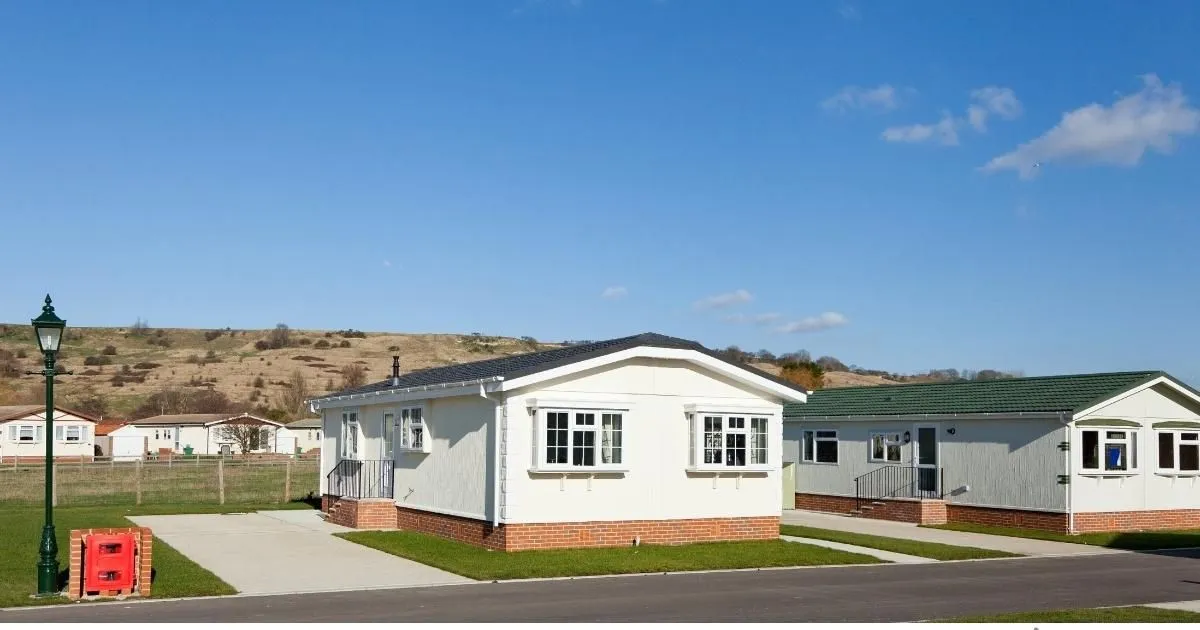
While getting your new mobile home is exciting, the process of setting it up can be daunting if you’re new to it. Here is a quick overview of the steps for putting a mobile home on land:
Step 1: Buying Land – Purchasing land that meets the criteria for safe installation
Step 2: Prepping it – Clear a path for the vehicle transporting your mobile home, removing trees and shrubs, grading the site, and checking soil conditions
Step 3: Building a Foundation – Determine the types of foundation you want to use. The two common ones are the permanently affixed foundation and the non-permanent foundations.
Step 4: Scheduling Inspections- Work with an inspector to evaluate the safety of the home.
The initial thing to think about is where to put a manufactured home? Zoning laws regulate the locations that are viable for set up. The first step to put a mobile home on land is to get a permit.The site must be cleared of trees, shrubs, rocks, and debris where the footing must go. The site needs to be properly graded and sloped so rainwater drains away from your manufactured home instead of pooling near it. Soil should be packed down and leveled so the foundation does not shift.
Additionally, if you are not hooking up to a municipal sewer and water system, you will need to make space for a properly installed septic system and reservoir for water supply that meets health and safety standards and local codes.
Next is the choice of foundation. Mobile home pad requirements focus on providing stable land to rest the manufactured home on. Some to consider are the piers and beams, block and footing, and the floating slab. Manufactured homes foundation requirements:
a). Piers and beam- shallow and non-permanent constructed out of cinderblocks. Built underneath the home. Best for mild temperatures.
b). Block and footing – Masonry blocks are placed on concrete footings for a slightly more stable foundation.
c). Floating Slab- A concrete slab laid on the ground. Contains steel reinforcements bars that work as an anchor point.
The foundation must meet compliance with the state and will be evaluated by an inspector. Installing a mobile home organically keeps the environment pristine and ups the value of your land.
The final step is to set up an inspection. Inspectors look at the foundation, flooring, framing, and perimeter. Inspection is required to protect the safety of the occupants. The evaluation takes between 2 – 5 hours depending on the size of the home. Common problems seen are water damage, faulty electrical systems, and uneven foundations. Although this can cause a setback, the benefits to safety outweigh the risks. Professional inspectors can identify problems before they harm someone or the home.
A permit is required to move and set up the mobile home. The common permits are site prep, foundation, site hookups, and occupancy.
The permit requirement for setting up a mobile home may vary by county or state.
Eager to set your mobile home up? Look for land that is easily accessible, fits the foundation type you want, and can pass an inspection. Herrington’s in Galivant Ferry can make the process smooth for you. Our experts have over thirty years of experience in mobile home set up. Contact Herrington’s today for a consultation or site prep.